


A Space That Reads the Room at Atlantic City Free Public Library
CASE STUDY
Hospitality, Reimagined Through Space Innovation
Exceptional hospitality begins with how a space makes people feel the moment they enter; welcomed, comfortable, and instantly connected to the experience around them.
Guests move naturally from lively social settings to intimate dining experiences. Sunlit rooftop lounges transition into elegant evening venues. Meeting spaces evolve throughout the day without interruption. Behind every one of these moments is a design strategy built around flexibility, comfort, and experience.
Today’s hospitality environments are expected to do more than simply look beautiful; they must perform while adapting to the changing rhythm and needs from guests, events, and operations.
This is where thoughtfully integrated architectural systems from ModernfoldStyles help transform hospitality into something dynamic, immersive, and unforgettable.
Creating Spaces That Transform with the Guest Experience
The guest journey often begins in large-scale gathering spaces, such as hotel ballrooms, conference centers, lounges, and event venues that must constantly adapt to different functions throughout the day.
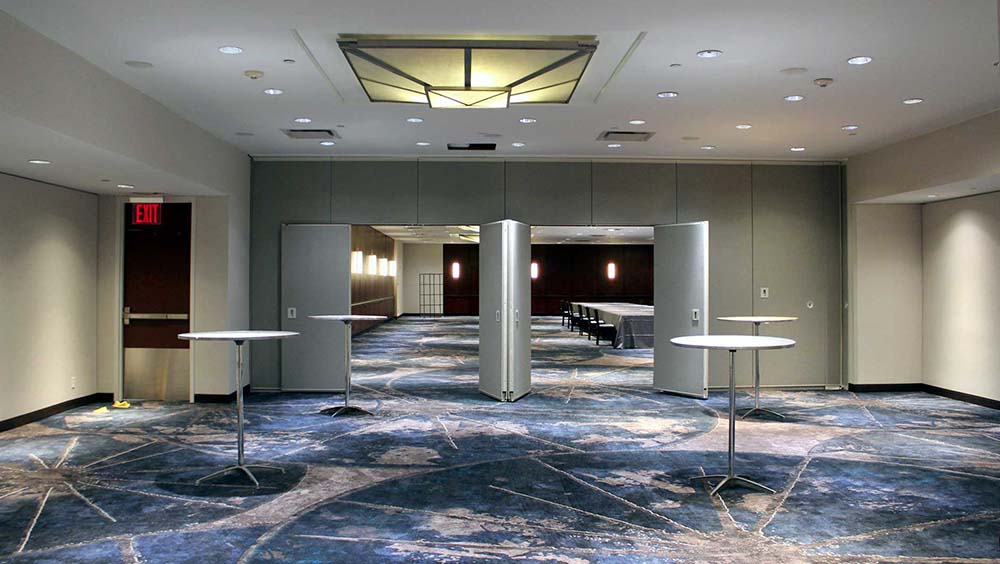
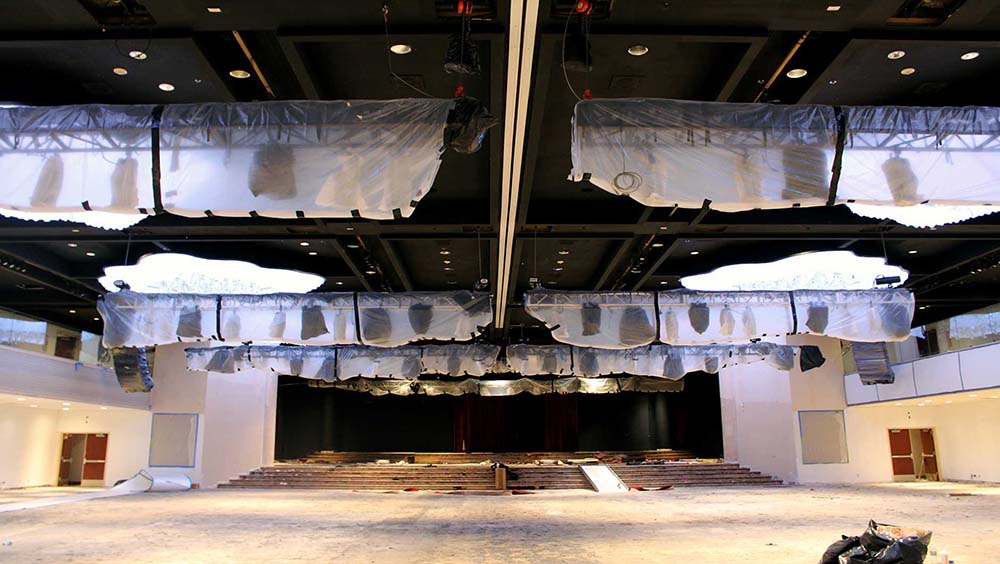
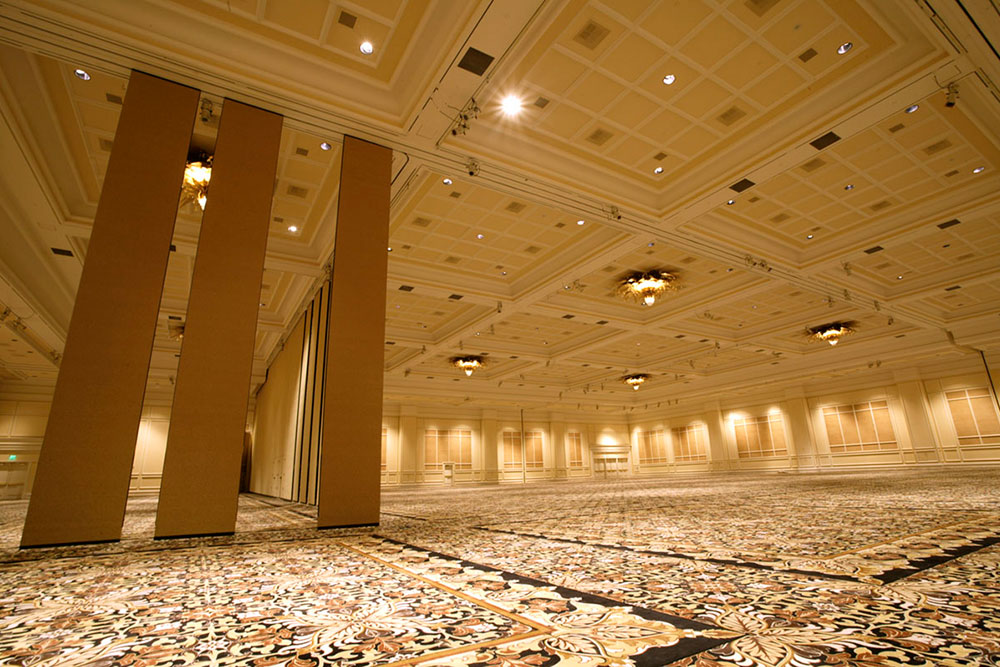
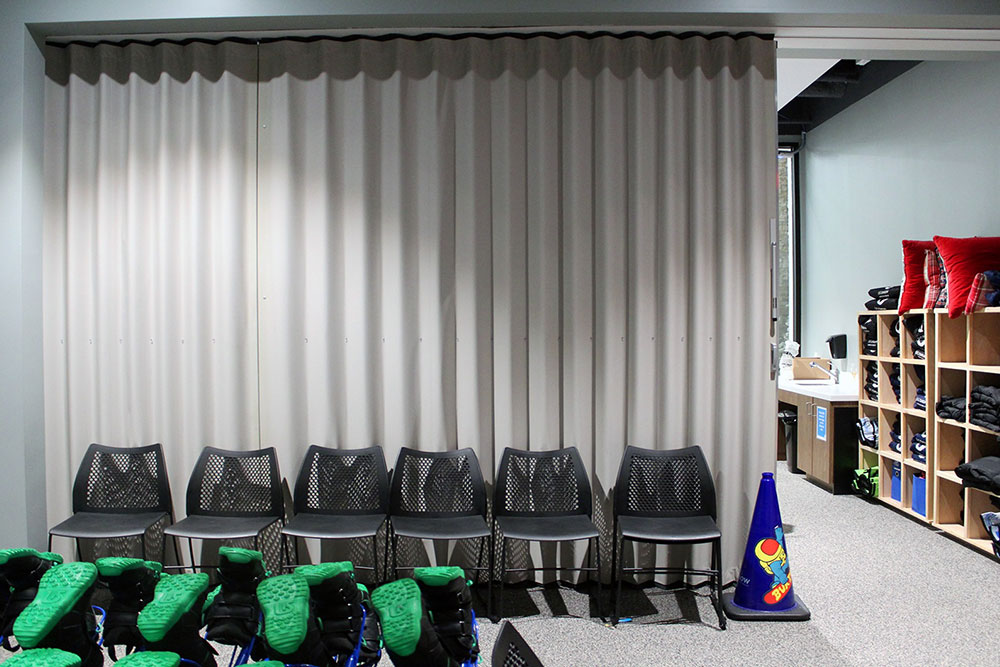
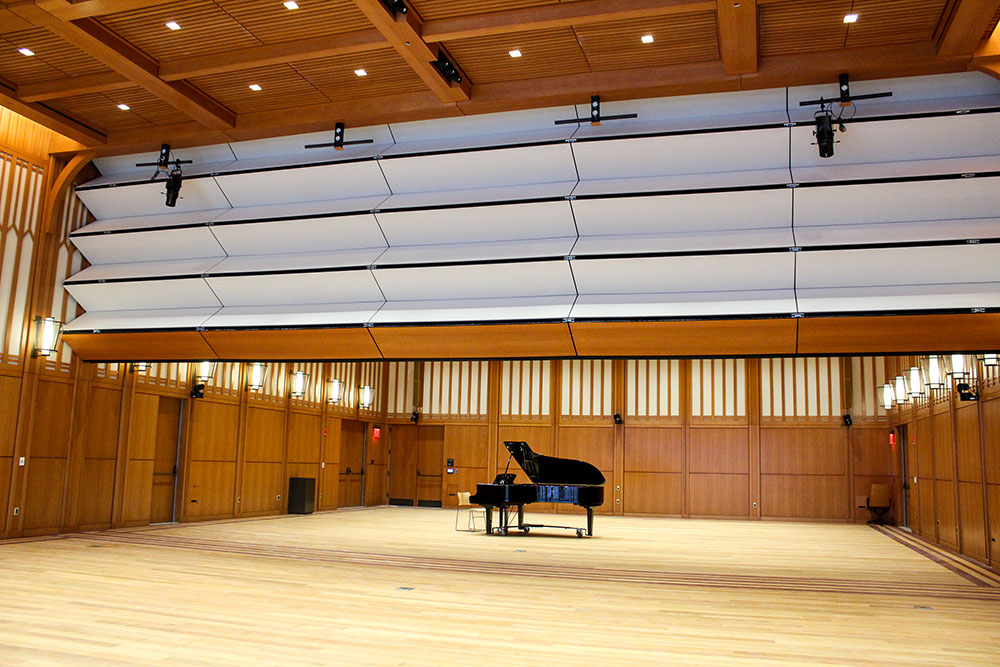
At the iconic New York Marriott Marquis, flexibility was essential. More than 300 Modernfold operable partition panels were integrated throughout the property to allow expansive meeting and event spaces to quickly transform into smaller, acoustically separated environments. Whether hosting conferences, private receptions, or corporate gatherings, the space adjusts fluently while maintaining a polished, luxury atmosphere.
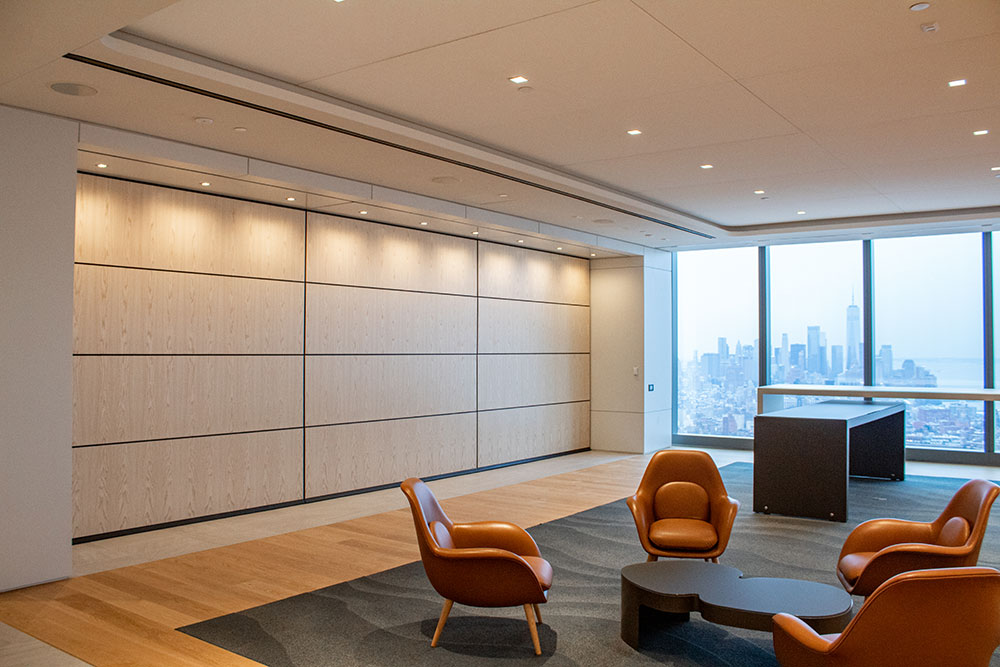
At the center of these transformations are Modernfold Acousti-Seal Legacy Single Panel and Legacy Paired Panel, designed to provide both spatial flexibility and acoustic performance. Large rooms can be divided with precision, creating intimate environments without compromising the visual integrity of the design. Just as quickly, the partitions retract to restore openness for larger events and social gatherings.
The result is a hospitality environment that evolves continuously, responding to the needs of guests in real time.
Elevating Privacy Through Acoustic Design
As hospitality spaces become more experience-driven, private dining has emerged as one of the most sought-after amenities in luxury hotels and restaurants.
In the project ilili Midtown, the Modernfold Acousti-Seal Legacy system was used to create elegant private dining areas that balance intimacy with flexibility.
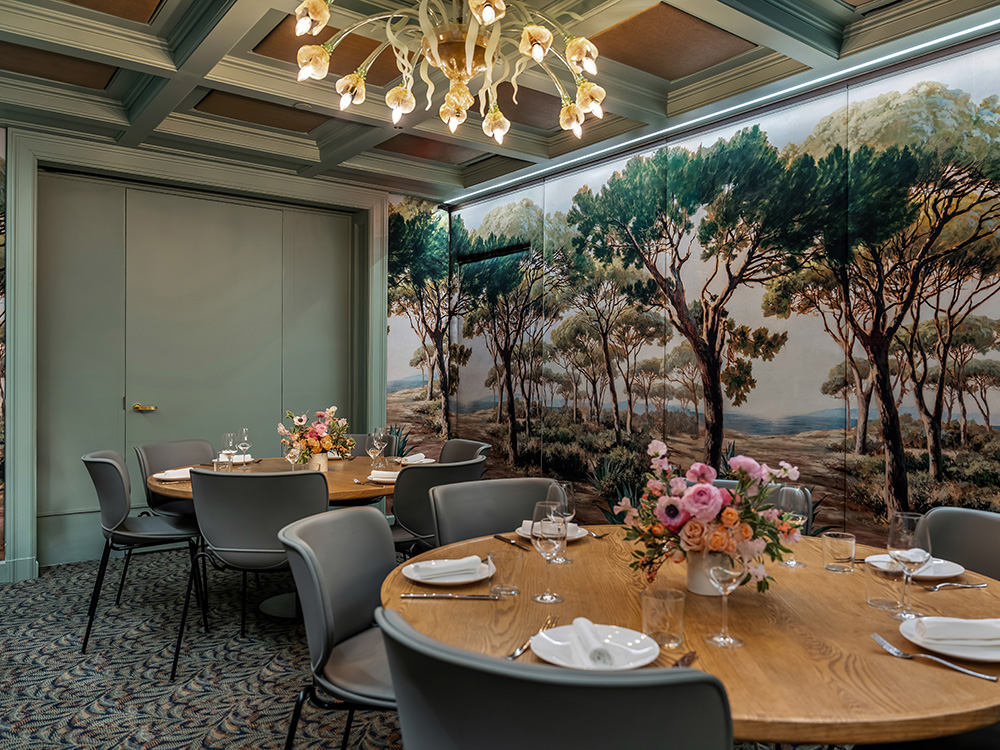
Rather than feeling isolated, the spaces feel curated – allowing the restaurant to transition between open dining and secluded gatherings, while maintaining a sophisticated aesthetic. Advanced acoustic control ensures conversations remain private, enhancing the guest experience while supporting operational versatility.
The design is subtle, but the impact is immediate: quieter conversations, more comfortable environments, and a heightened sense of exclusivity.
Softening Boundaries with Contemporary Design
Not every division within hospitality should feel solid or permanent.
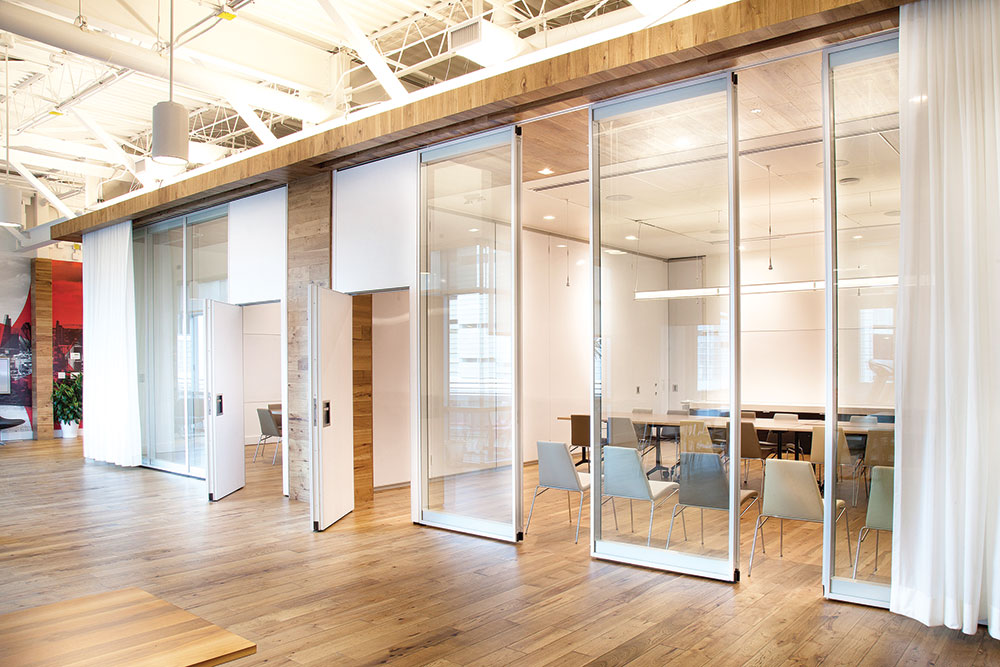
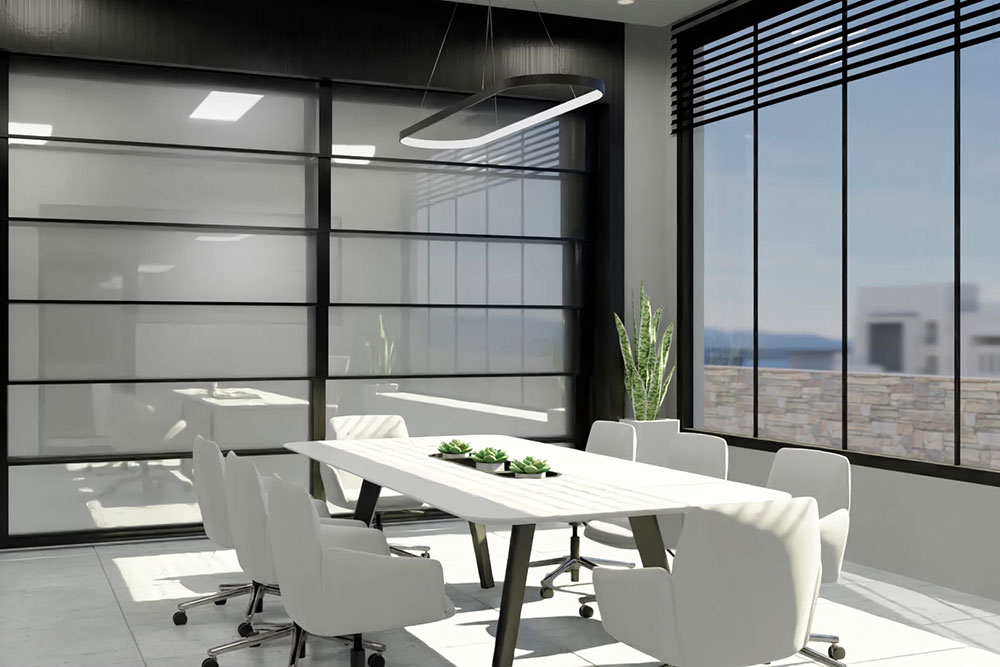
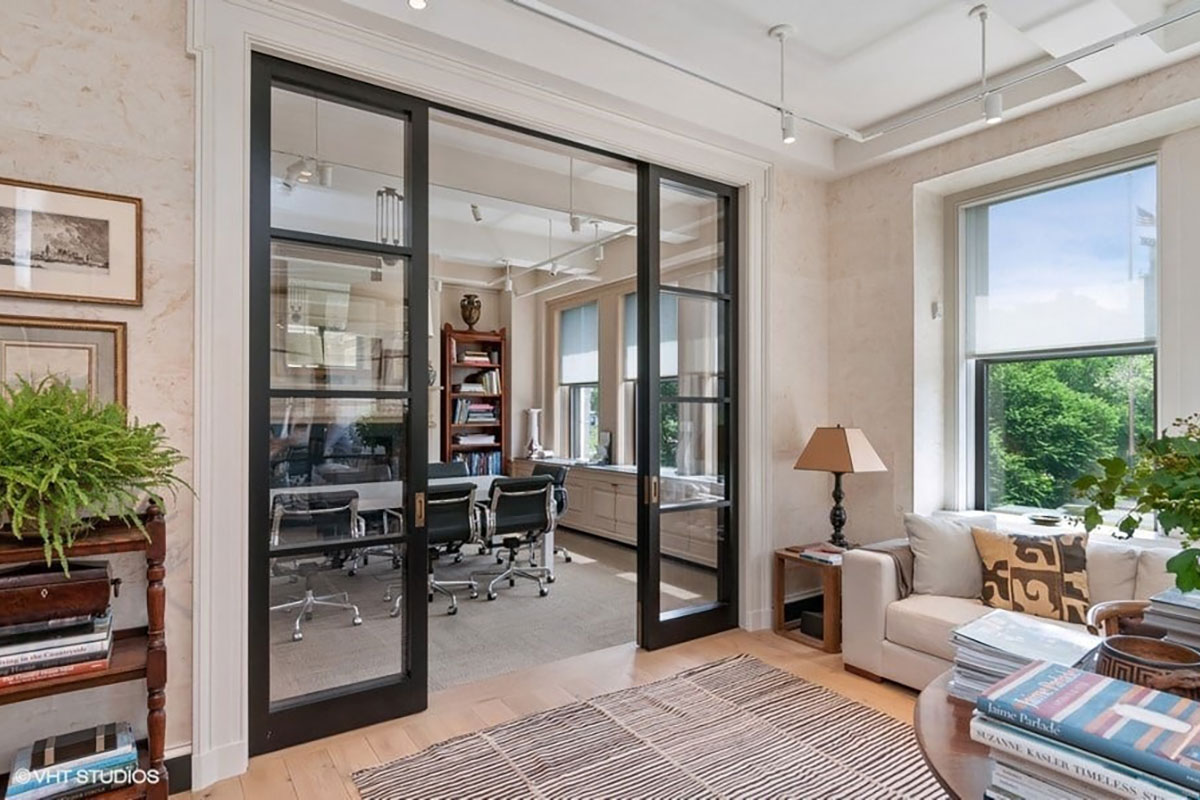
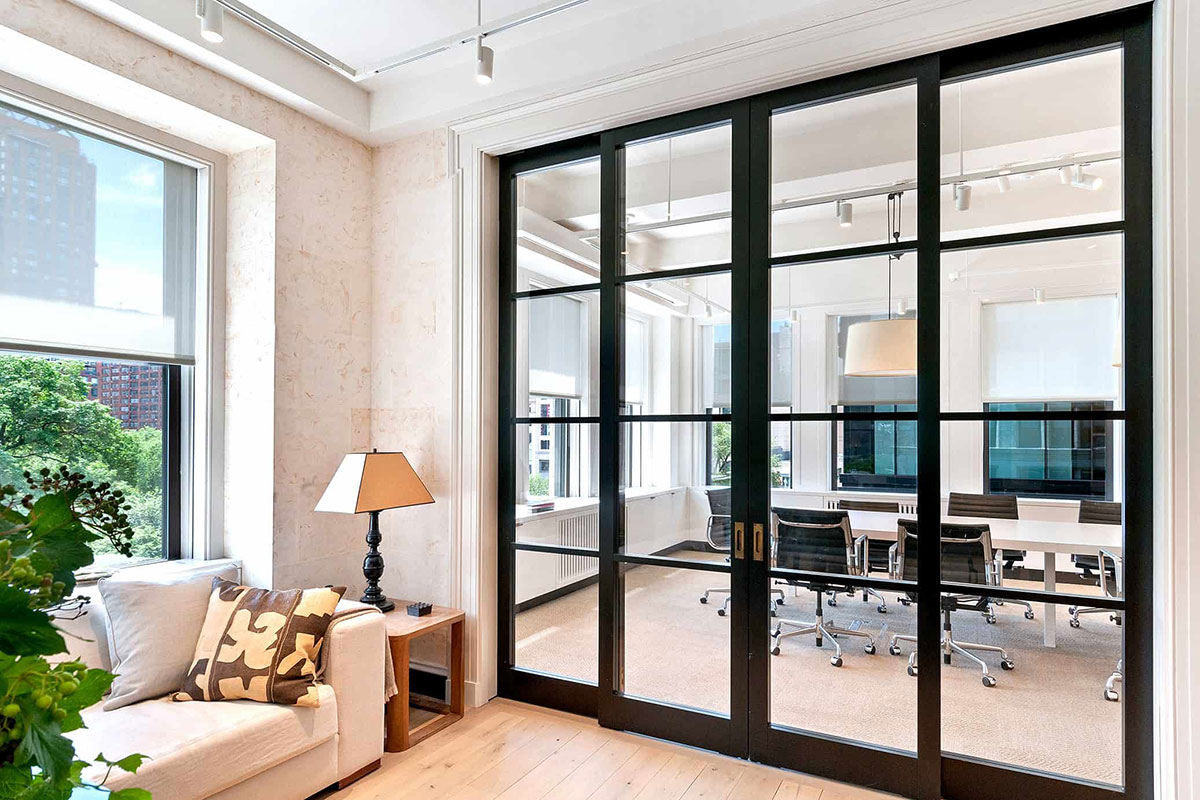
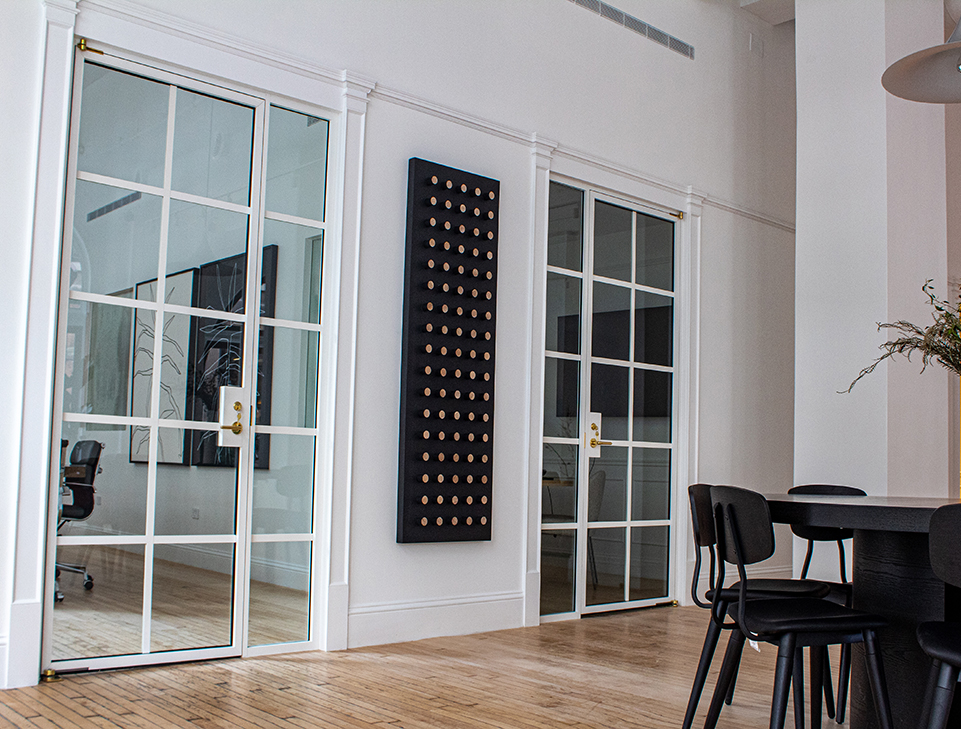
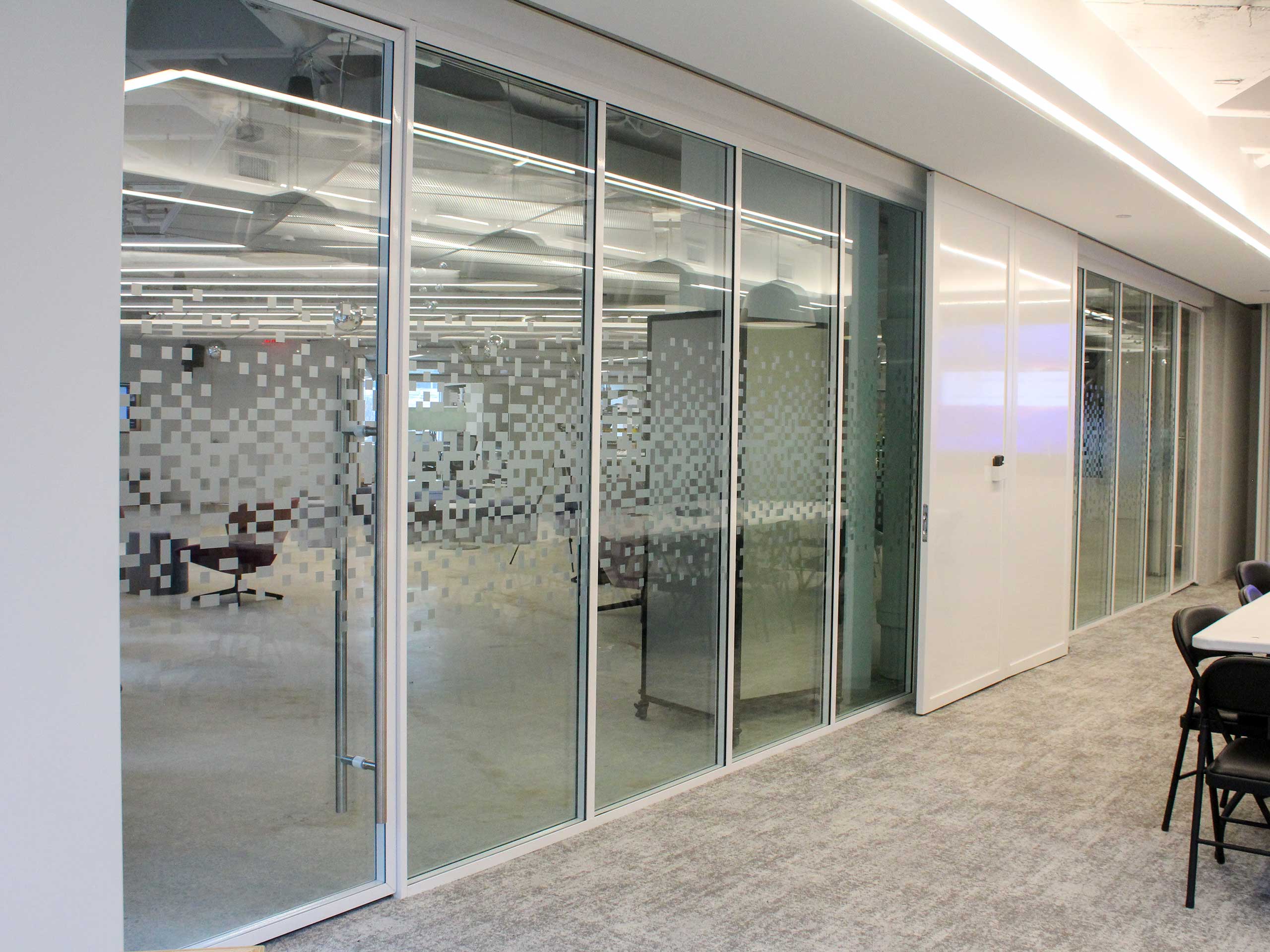
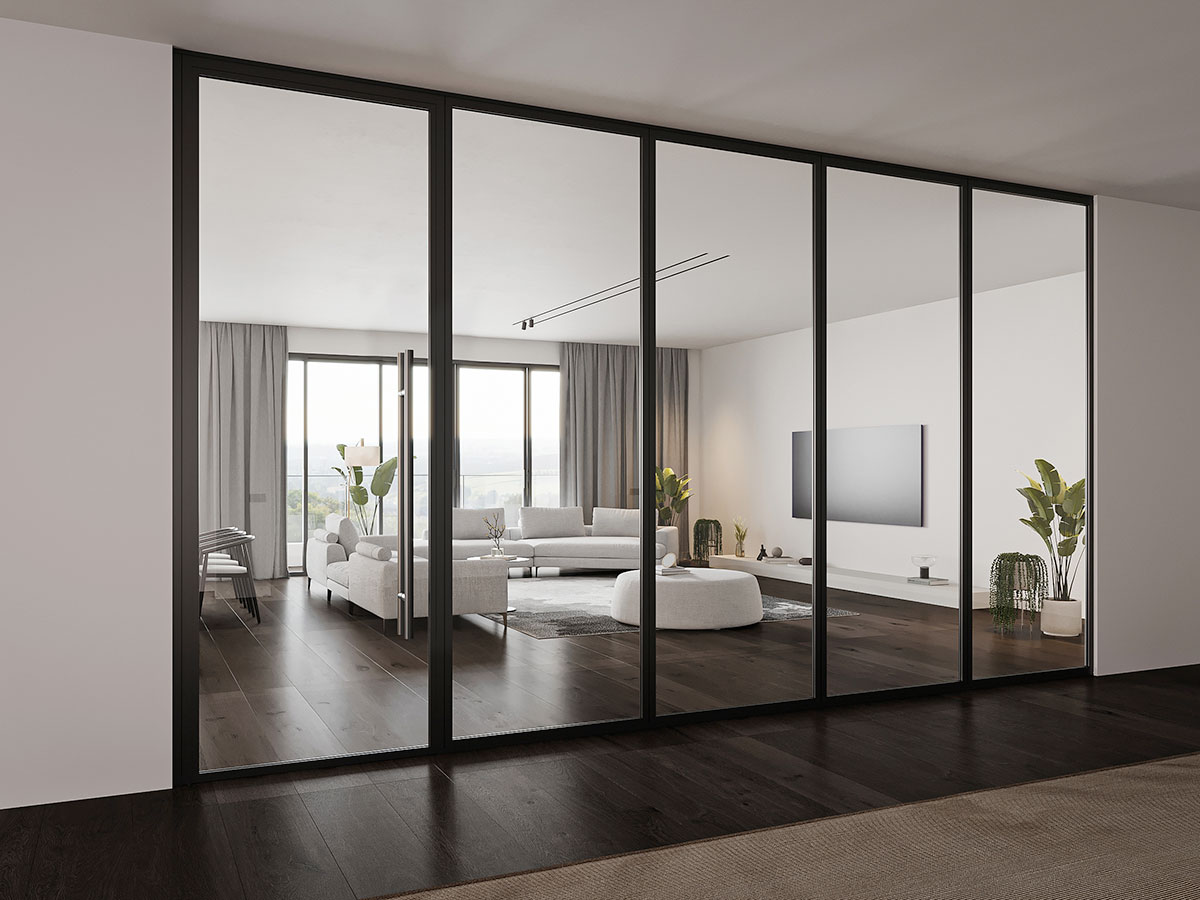
In lounges, hotel suites, private offices, and upscale dining environments, Raydoor sliding systems introduce a lighter architectural touch. Their clean lines and translucent finishes allow natural light to move freely throughout the space while still creating subtle separation.
Rather than closing rooms off entirely, Raydoor systems create layers within the environment, maintaining openness while adding privacy and functionality where needed.
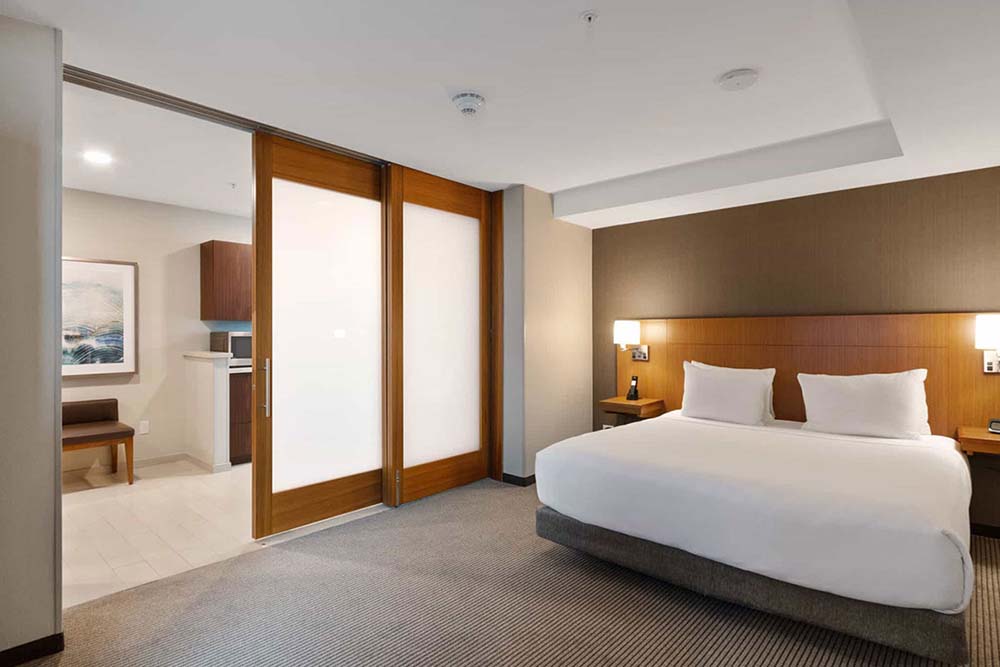
This balance between transparency and definition helps hospitality spaces feel modern, welcoming, and effortlessly adaptable.
Blurring the Line Between Indoors and Outdoors
Some of the most memorable hospitality experiences happen when the boundaries of a space disappear completely.
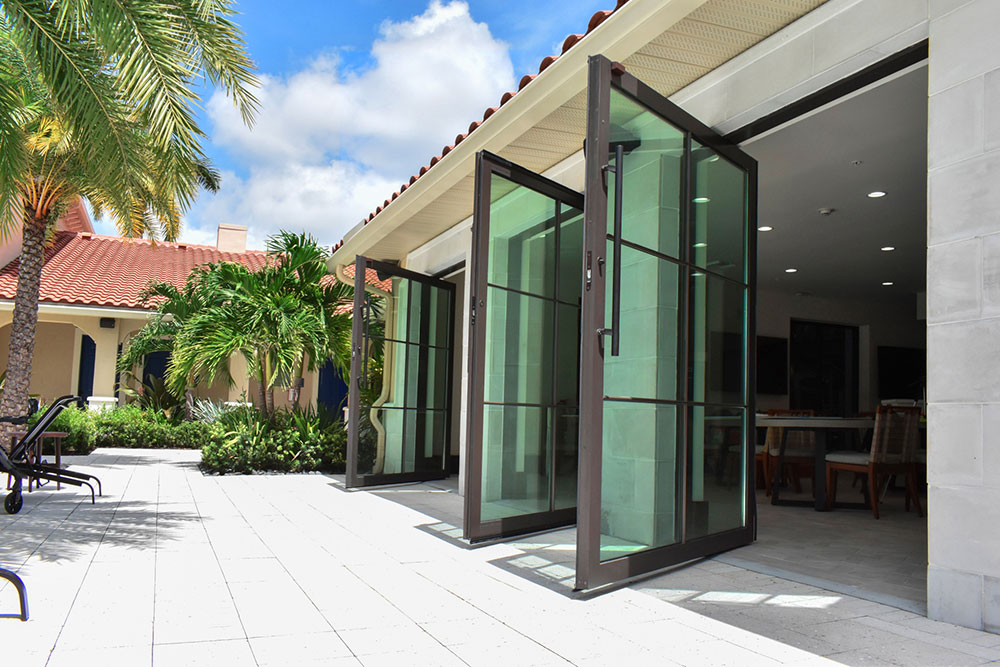
At The Olivia, Euro Vista Multi Slide transformed the rooftop environment by creating expansive openings that connect the interior directly to the outdoor terrace.
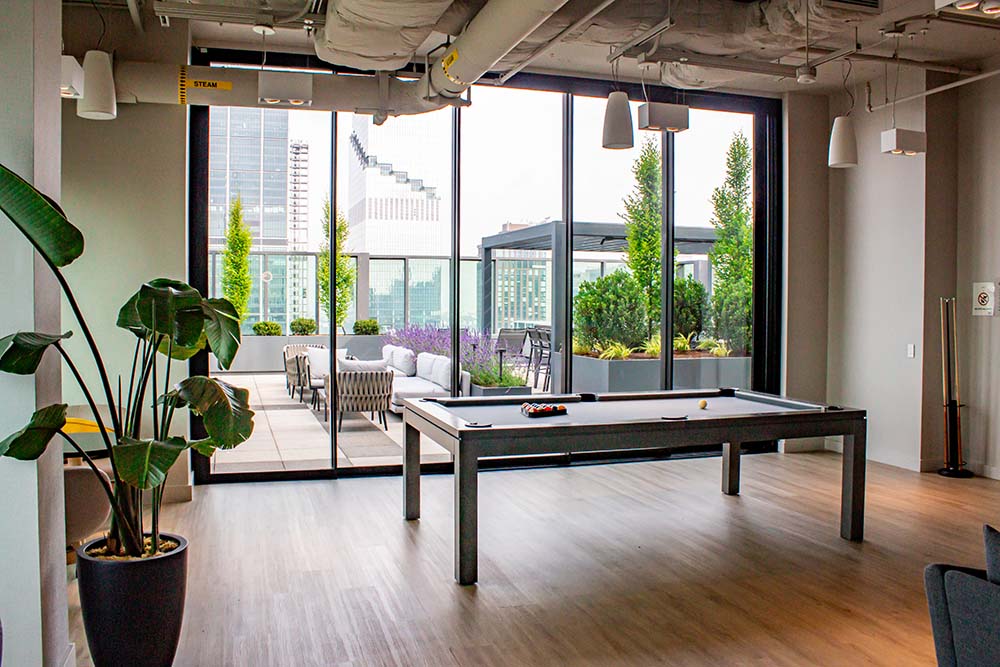
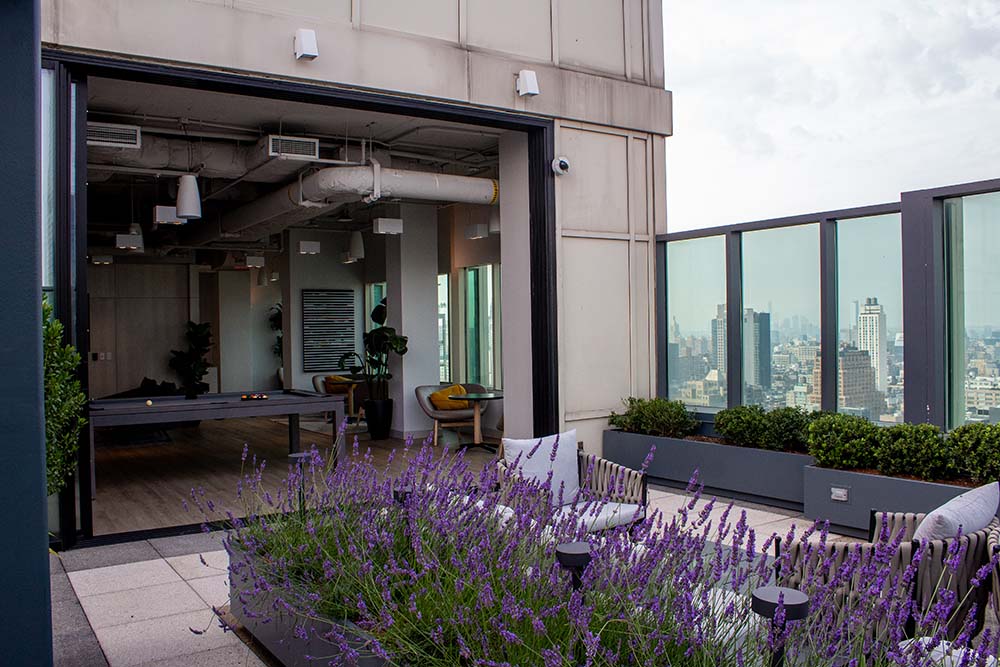
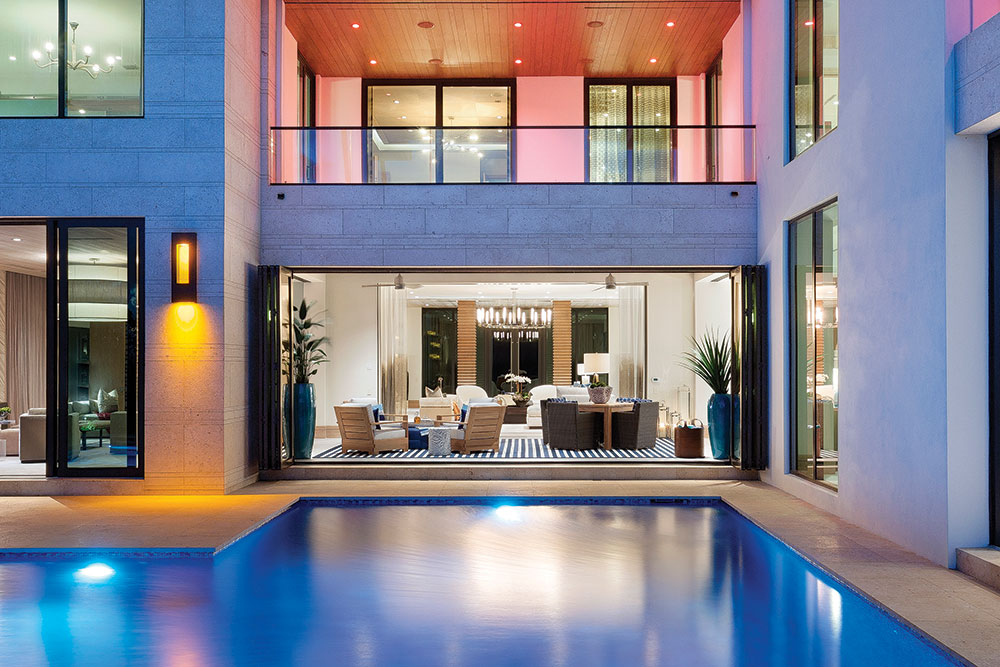
With the walls fully opened, the atmosphere changes instantly. Fresh air circulates freely, skyline views become part of the dining experience, and guests move effortlessly between indoor comfort and outdoor energy.
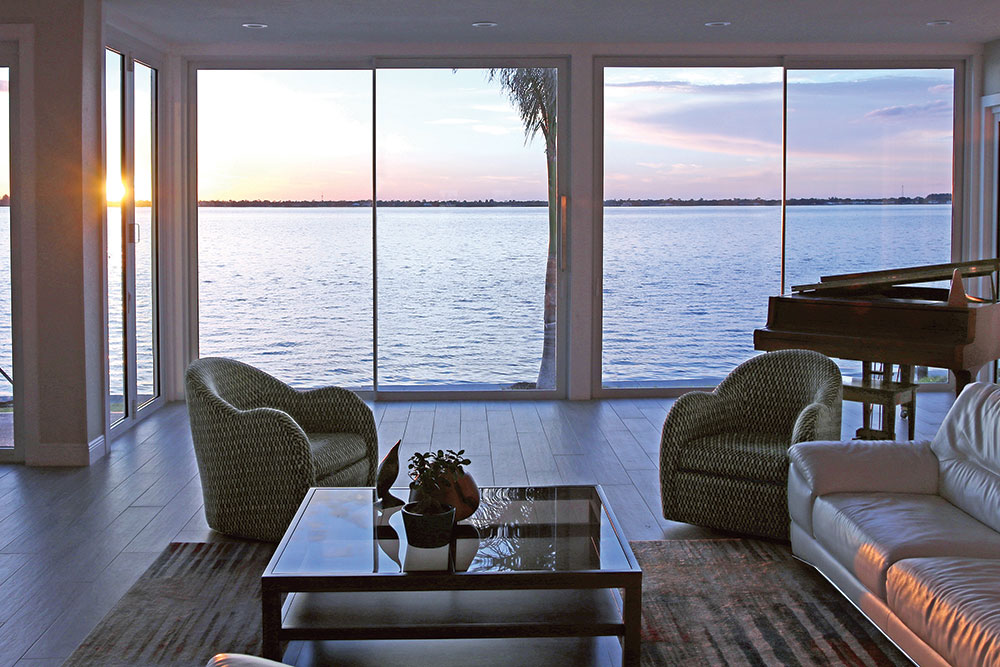
The same concept translates beautifully into hotels, rooftop lounges, poolside entertaining spaces, and luxury residential hospitality environments. Euro-Wall systems create a unified indoor-outdoor connection that makes spaces feel larger, brighter, and more immersive.
The architecture no longer acts as a barrier – it becomes part of the experience itself.
Designing Hospitality-Inspired Community Spaces
The evolution of hospitality extends far beyond hotels and restaurants. Today’s family and community environments are embracing hospitality-inspired design to create spaces that feel more connected, flexible, and experience-driven.
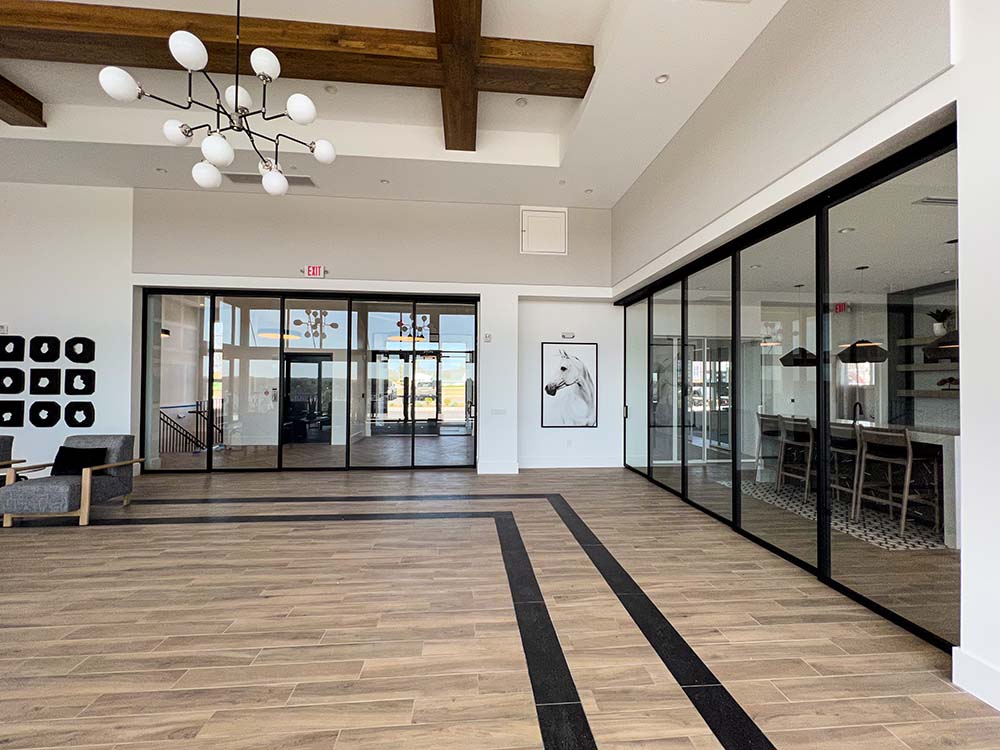
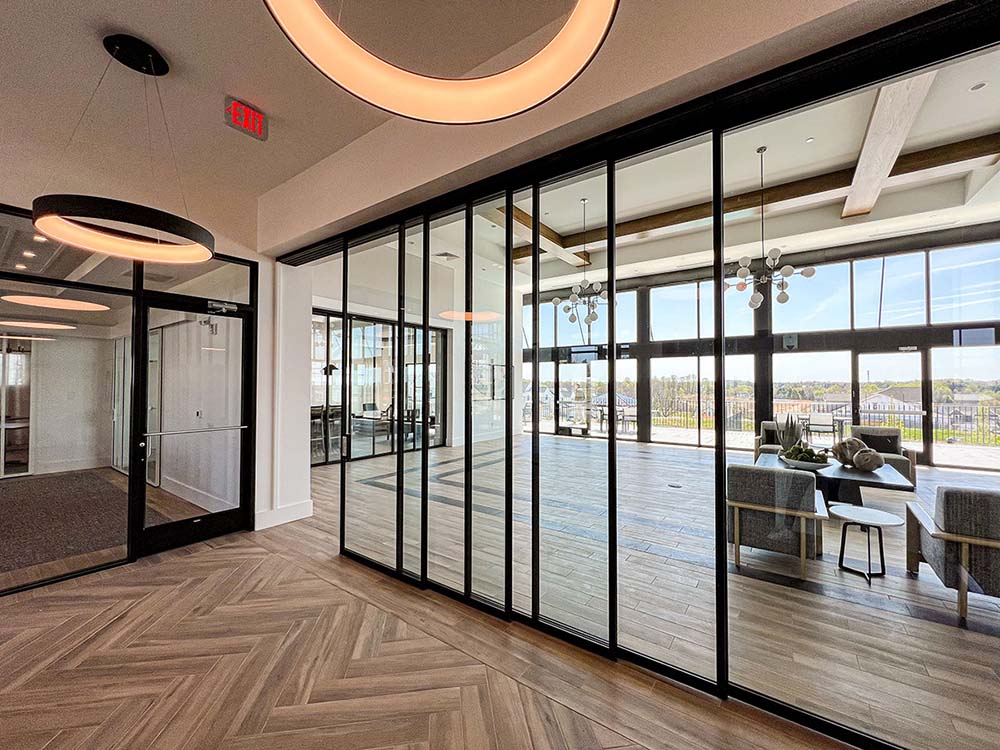
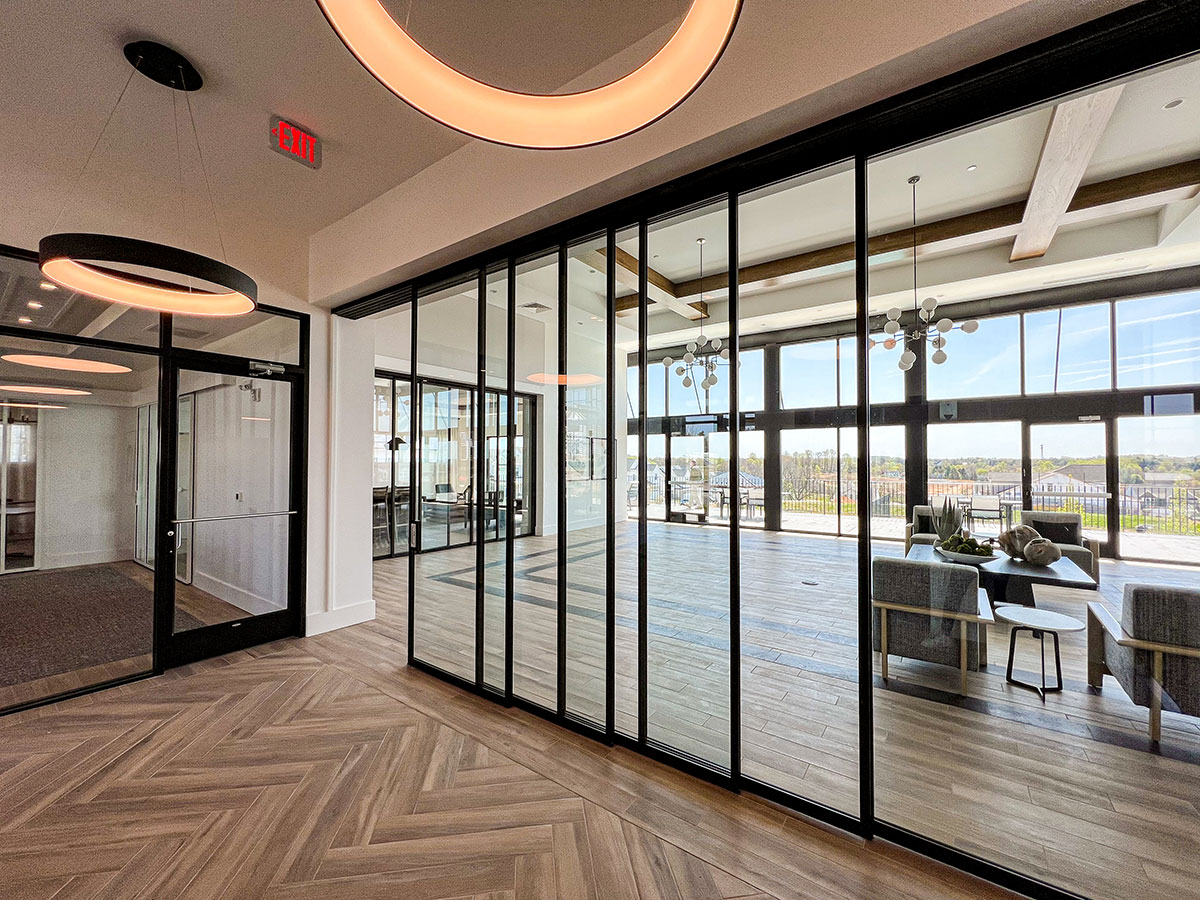
At the Chester County Community Clubhouse, adaptability became central to reimagining how residents gather, socialize, and engage within the space. The goal was to create an environment that could transition effortlessly between open community events and smaller, more intimate gatherings – without sacrificing natural light or visual openness.
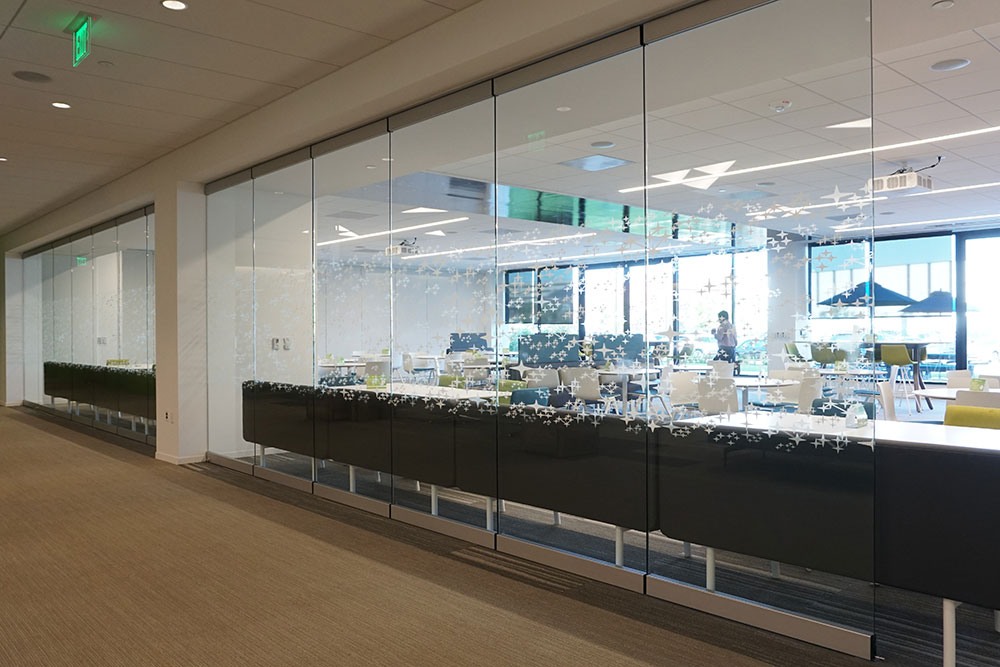
To accomplish this, LYNX Telescopic by ZONA Glass Wall Systems were integrated throughout the clubhouse, allowing the space to easily expand or divide, based on daily needs and occupancy. The transparent design preserves sightlines and creates a welcoming, hospitality-inspired atmosphere while still offering functional separation when needed, see in video.
The result is a clubhouse environment that feels modern, versatile, and intentionally designed around the resident experience – bringing the comfort and sophistication of hospitality design into everyday community living.
Prioritizing Safety Without Compromising Design
While guests experience openness and comfort, hospitality environments must also meet the highest standards of life safety.
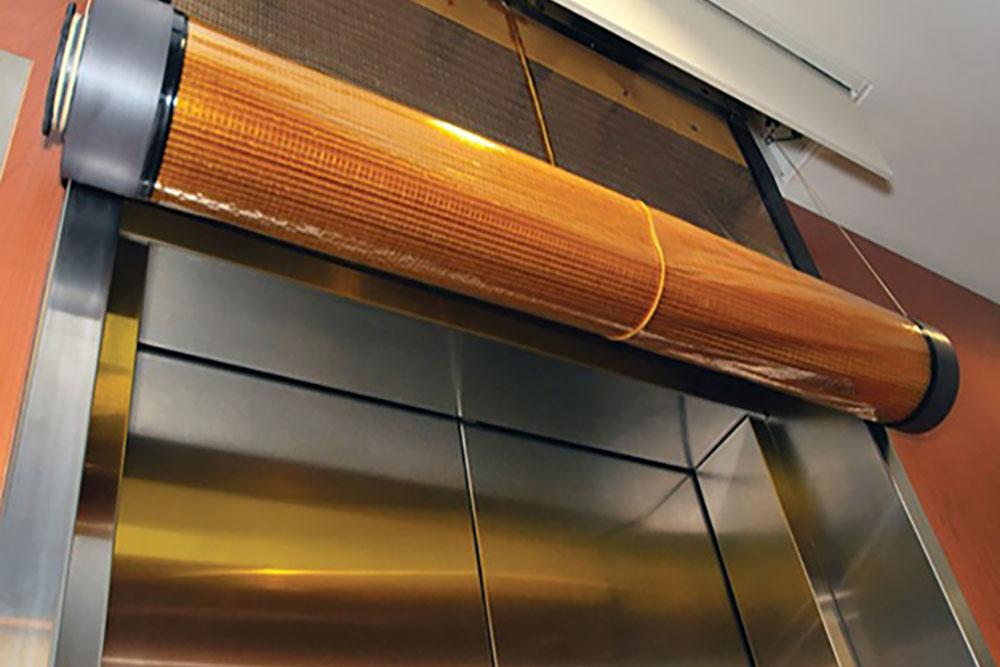
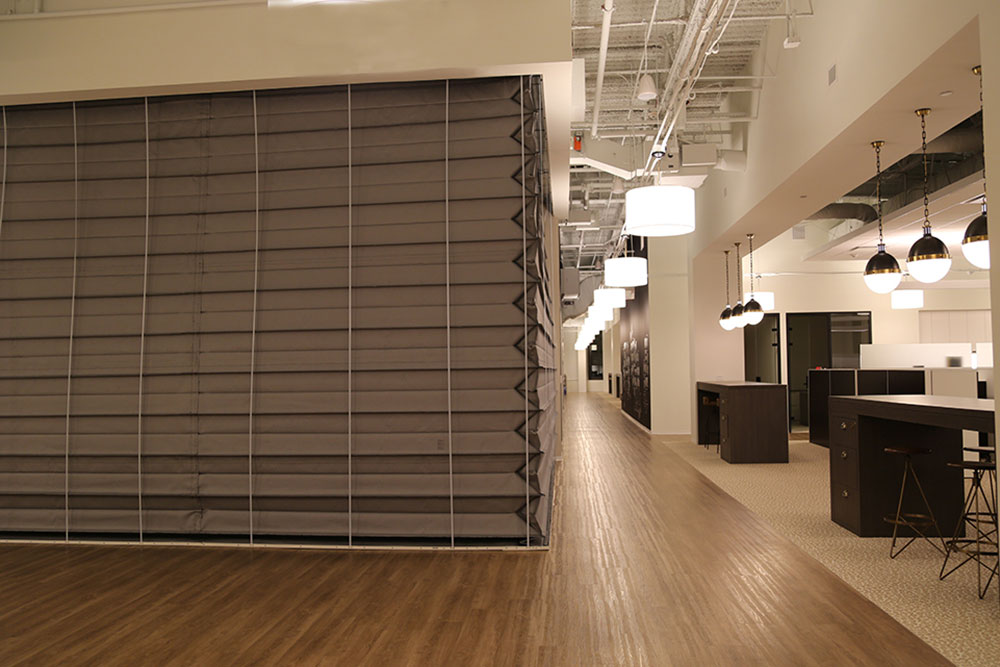
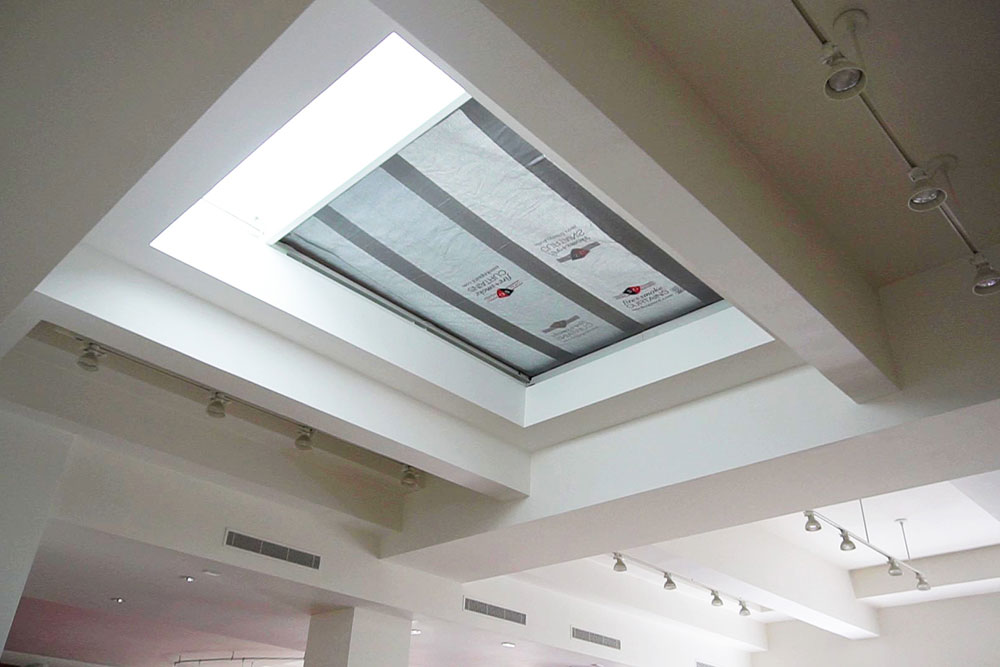
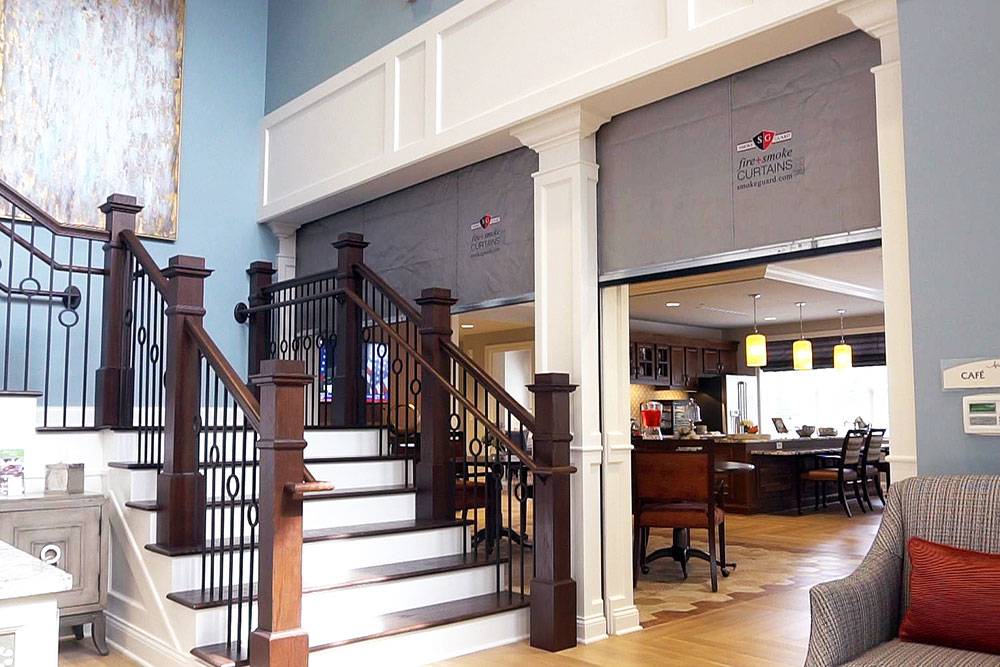
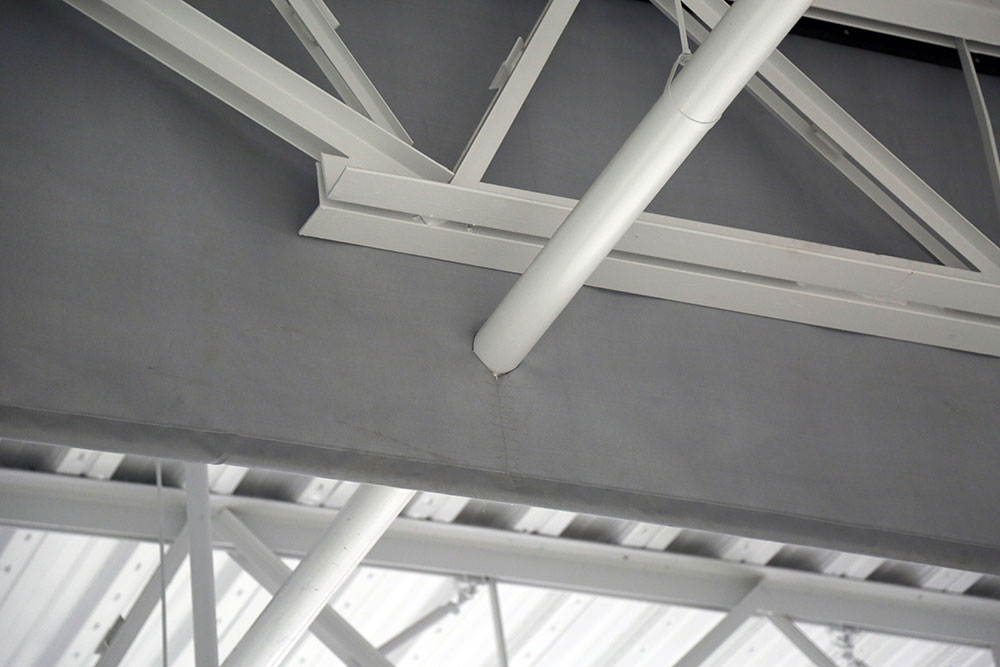
At The Fritz, Smoke Guard curtains were integrated discreetly into the architecture to provide critical smoke and fire containment protection.
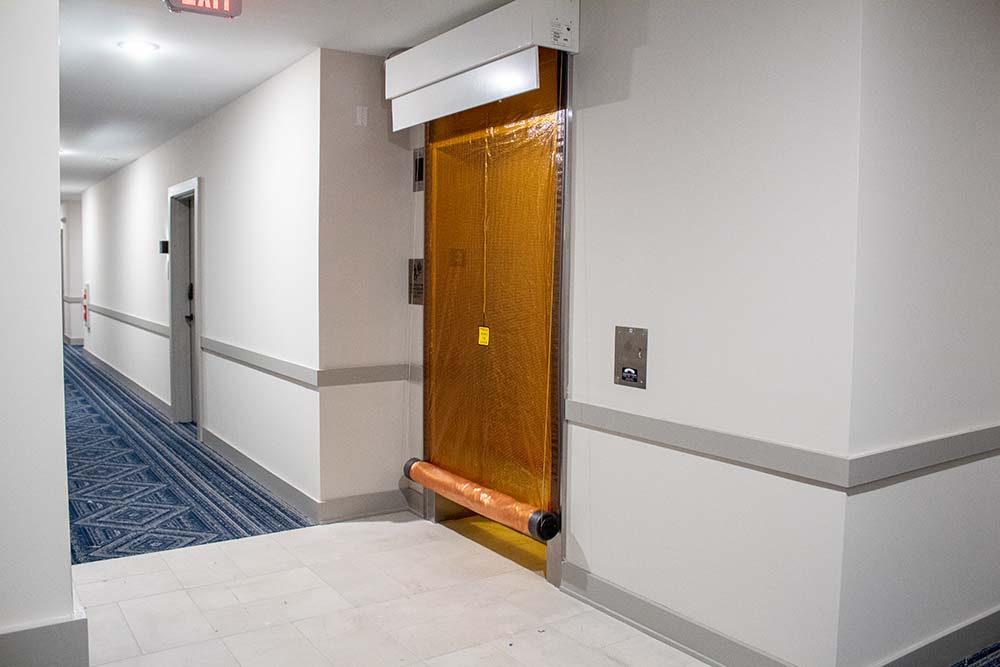
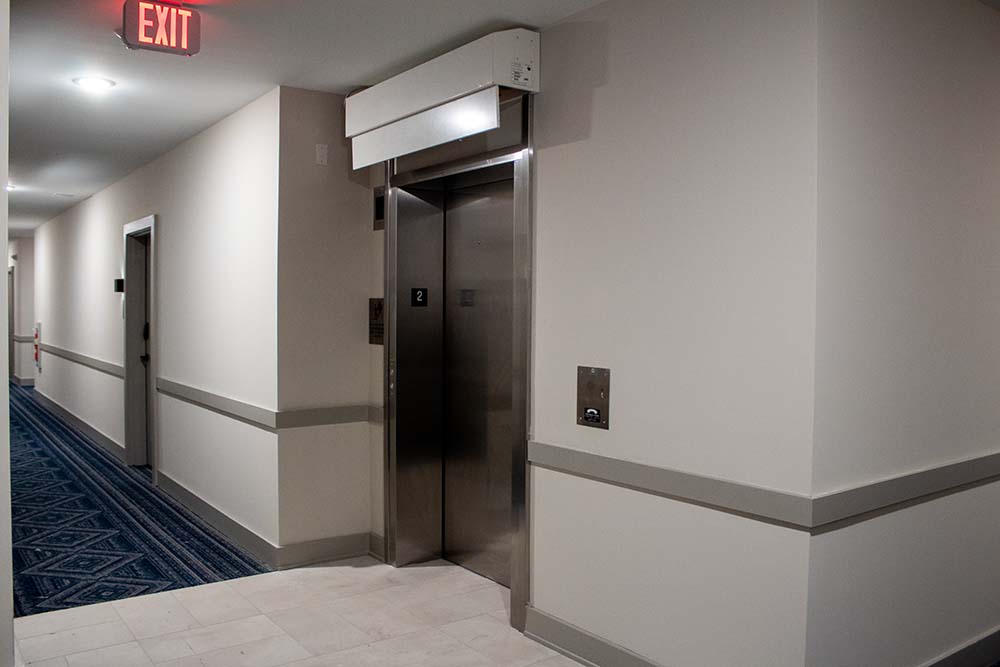
Concealed within ceilings and openings, the systems deploy automatically during emergencies while remaining virtually invisible during daily operation. This allows designers and operators to maintain open, elegant environments without sacrificing safety or code compliance.
In modern hospitality, safety is no longer treated as a visible interruption to design, it is integrated into the guest experience.
Maximizing Flexibility Through Vertical Innovation
In hospitality environments where every square foot matters, flexibility must extend beyond walls alone.
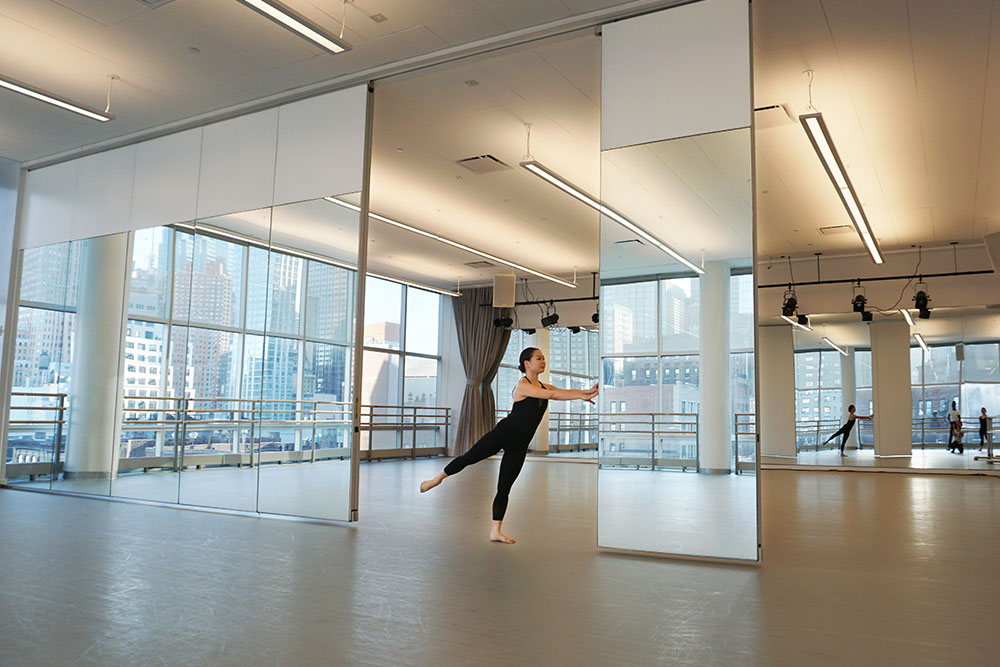
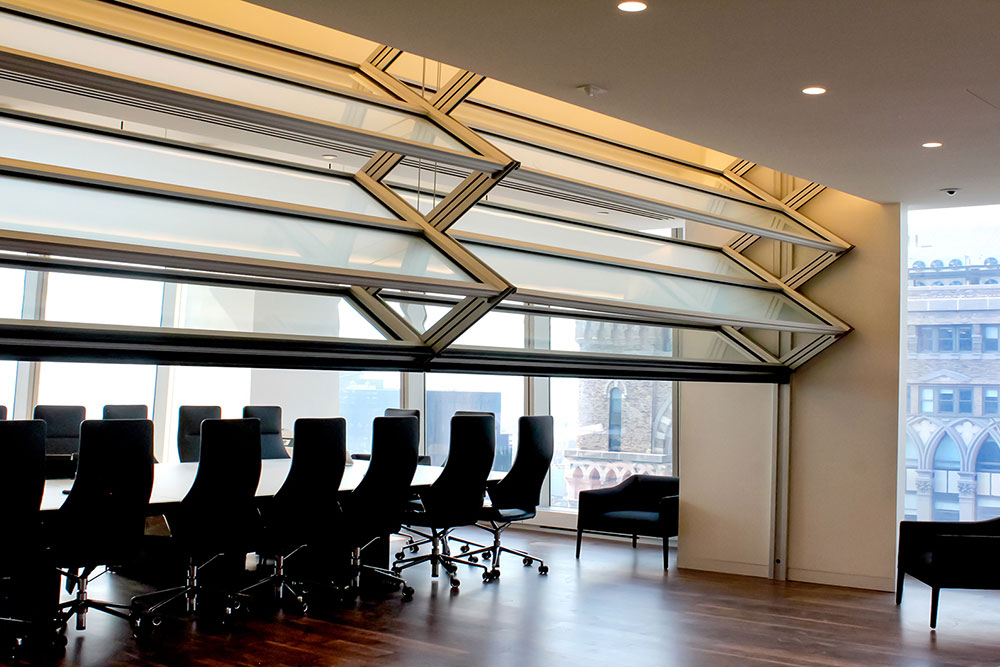
At the UBS Fitness Center, Skyfold Mirage was used to create adaptable wellness and multipurpose spaces without requiring floor storage or visible partition stacks.
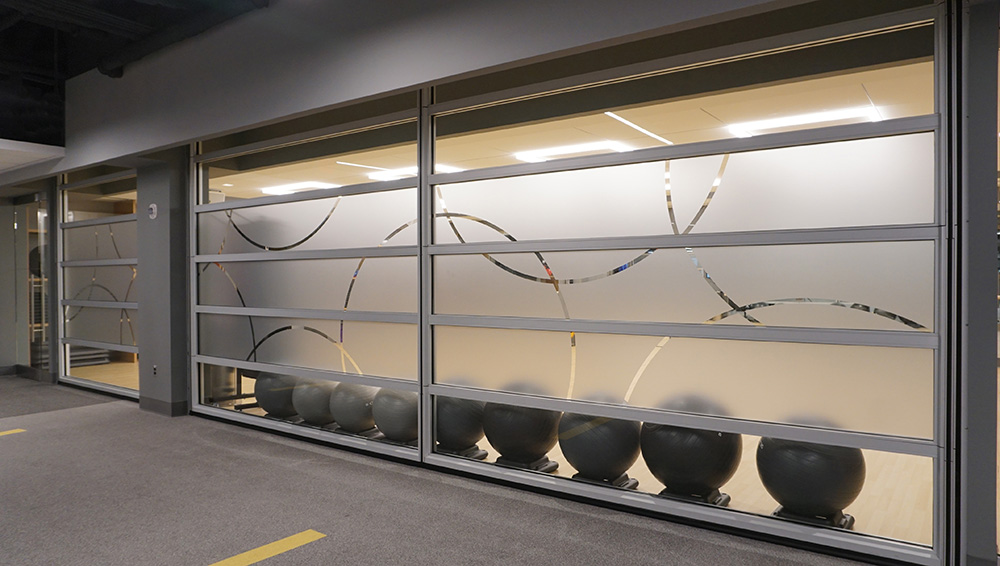
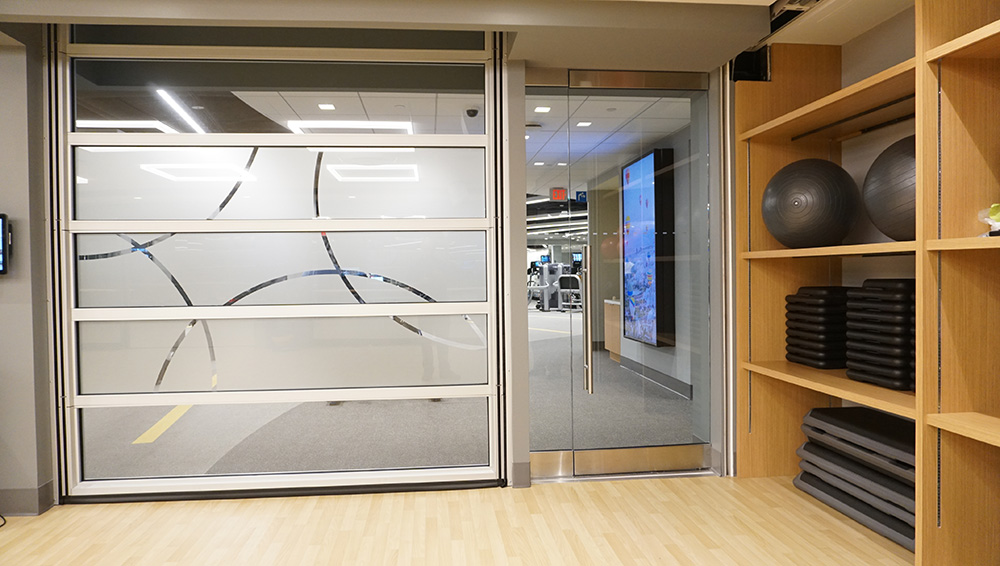
With the touch of a button, the partition descends from the ceiling to divide a room for classes, meetings, or private events. When openness is preferred, the system retracts completely out of sight.
This approach preserves clean architectural lines while maximizing usable space – allowing hospitality environments to transition quickly between functions without disruption.
Creating Dining Experiences That Open to the World
As hospitality increasingly centers around atmosphere and experience, restaurants are redefining how guests interact with their surroundings.
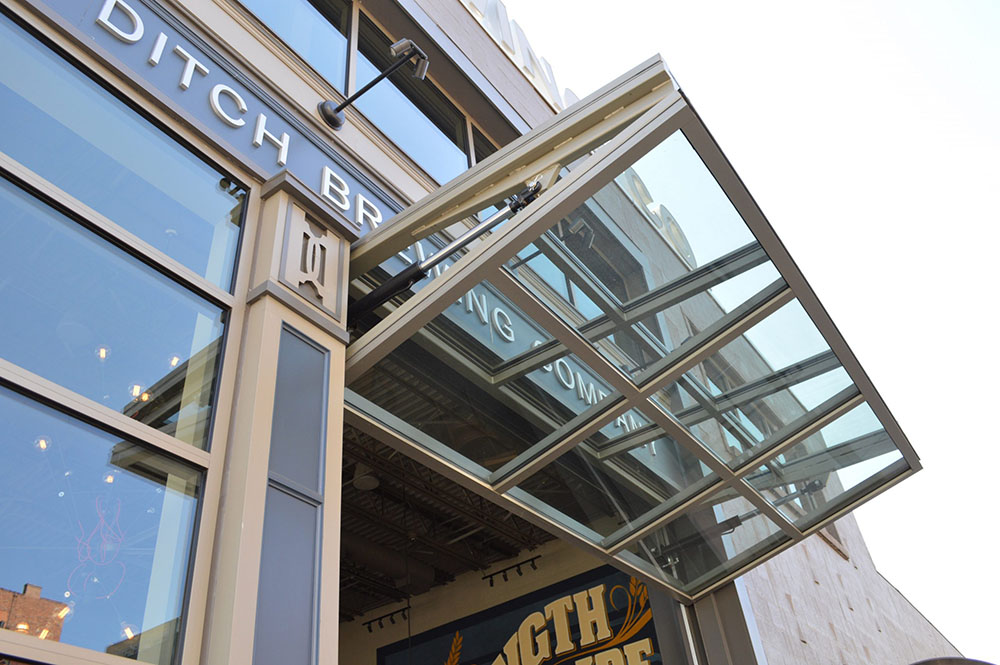
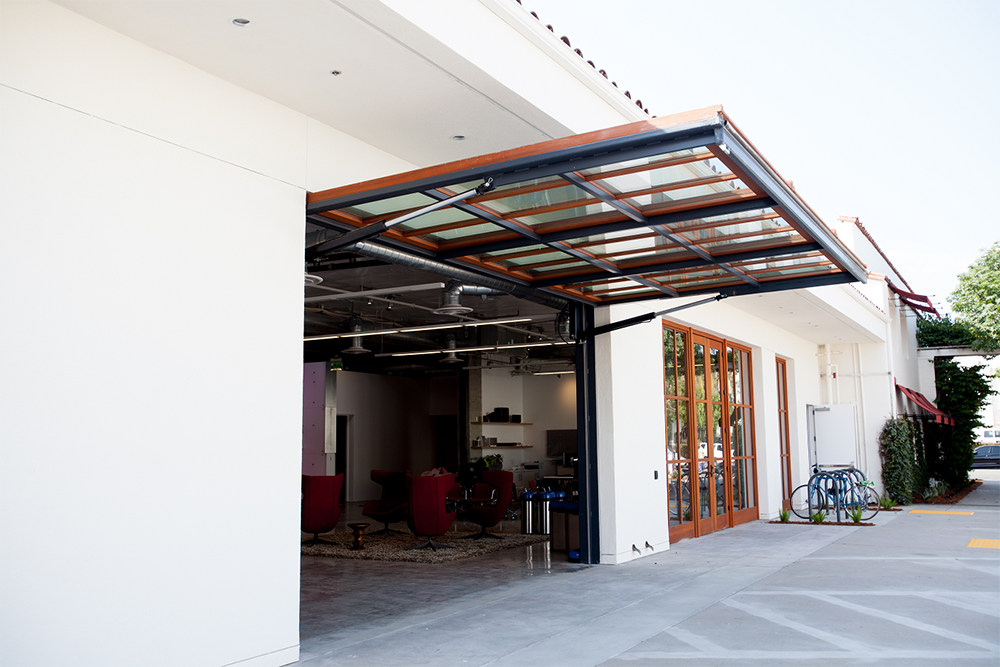
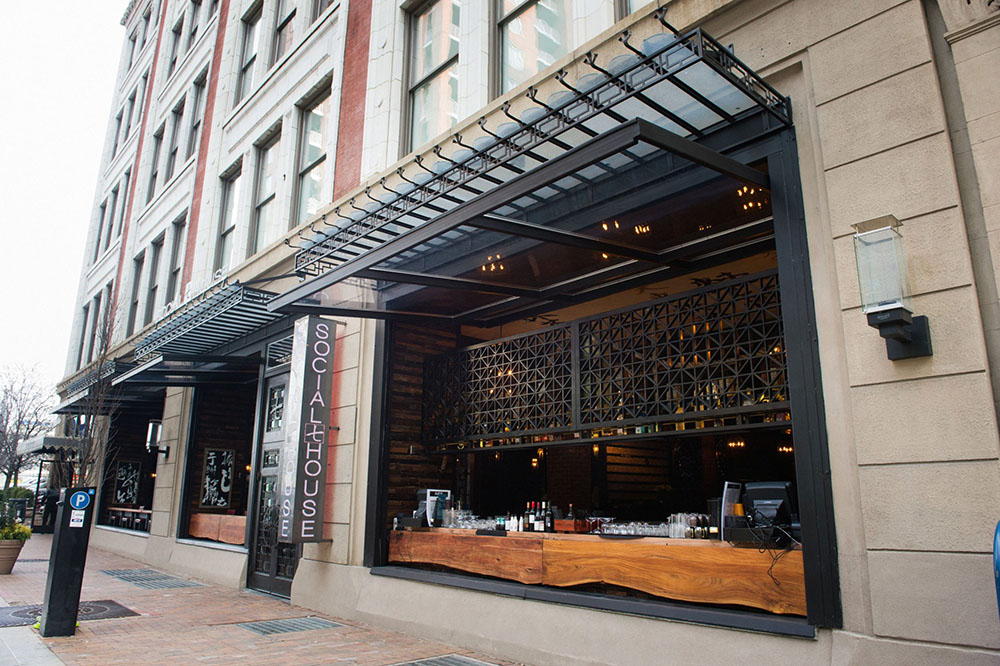
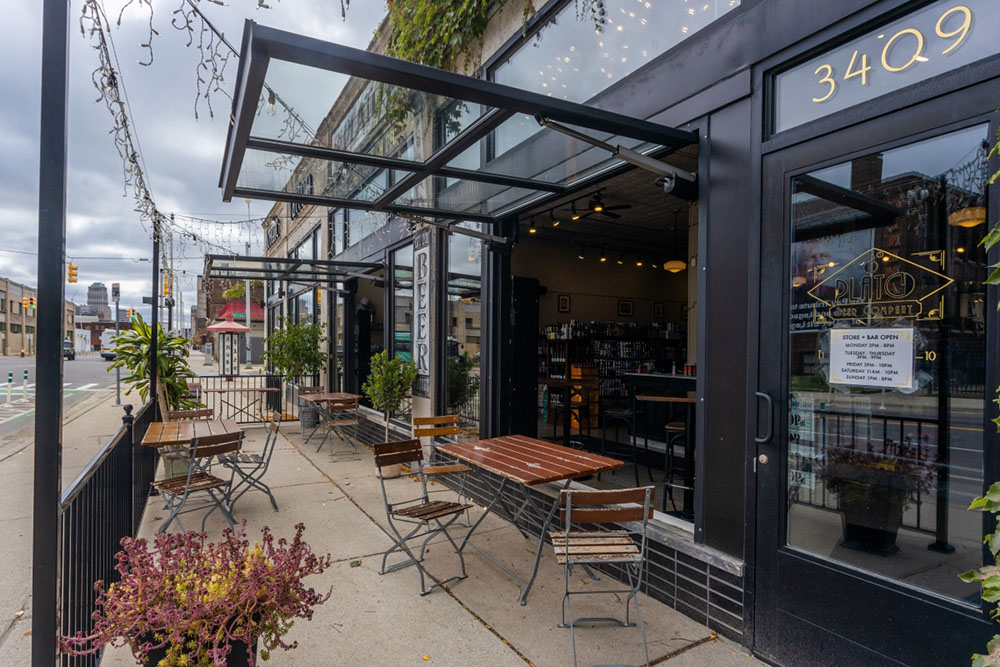
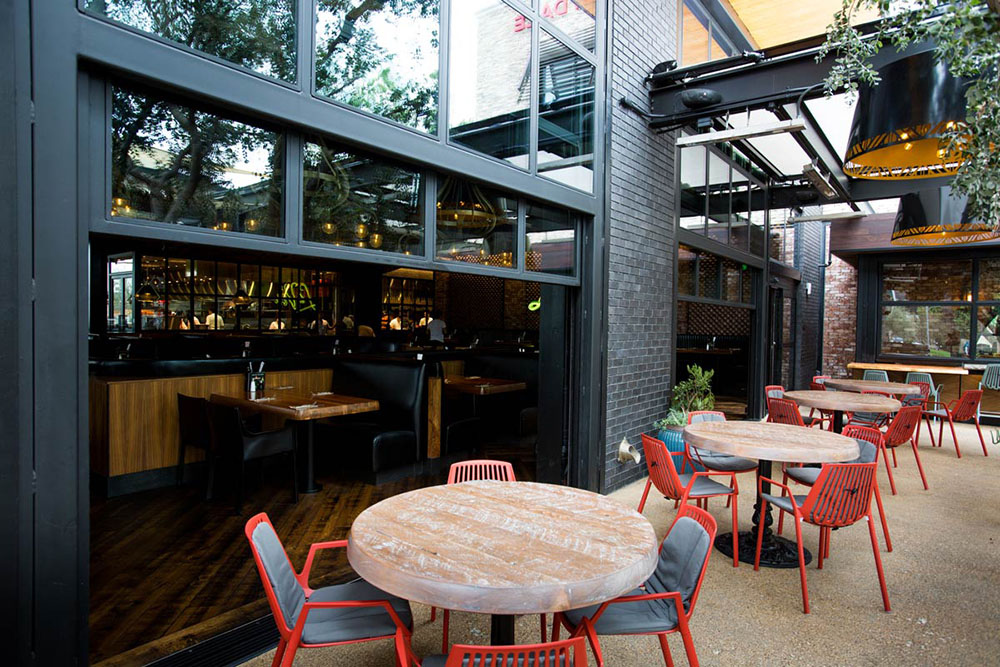
Crown Doors introduce a dramatic architectural feature that transforms dining environments in seconds. With a vertical hydraulic opening motion, entire walls lift upward to connect the restaurant directly to outdoor patios, terraces, and streetscapes.
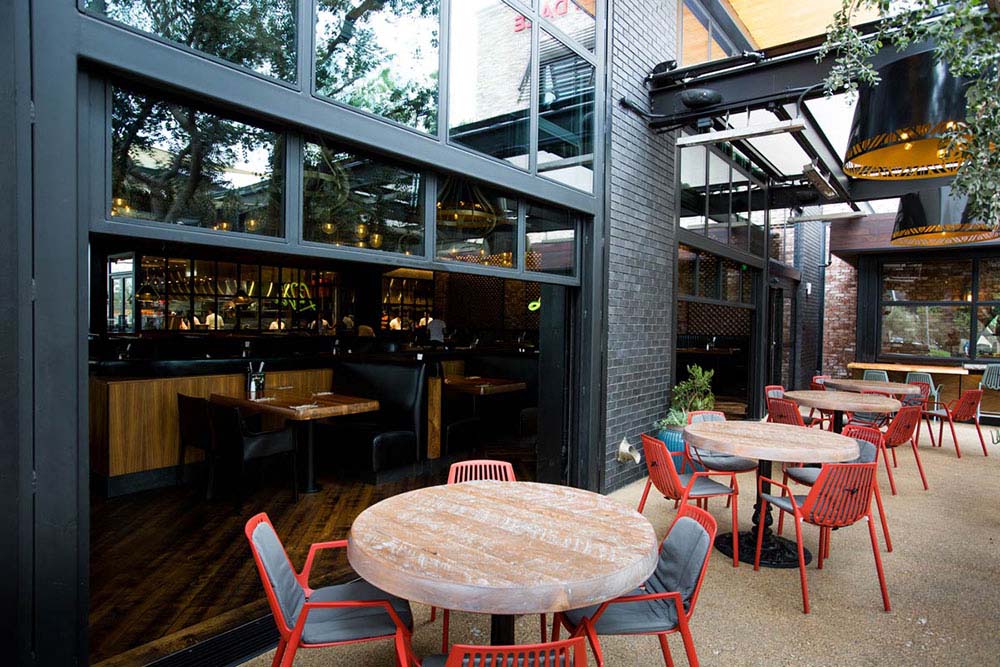
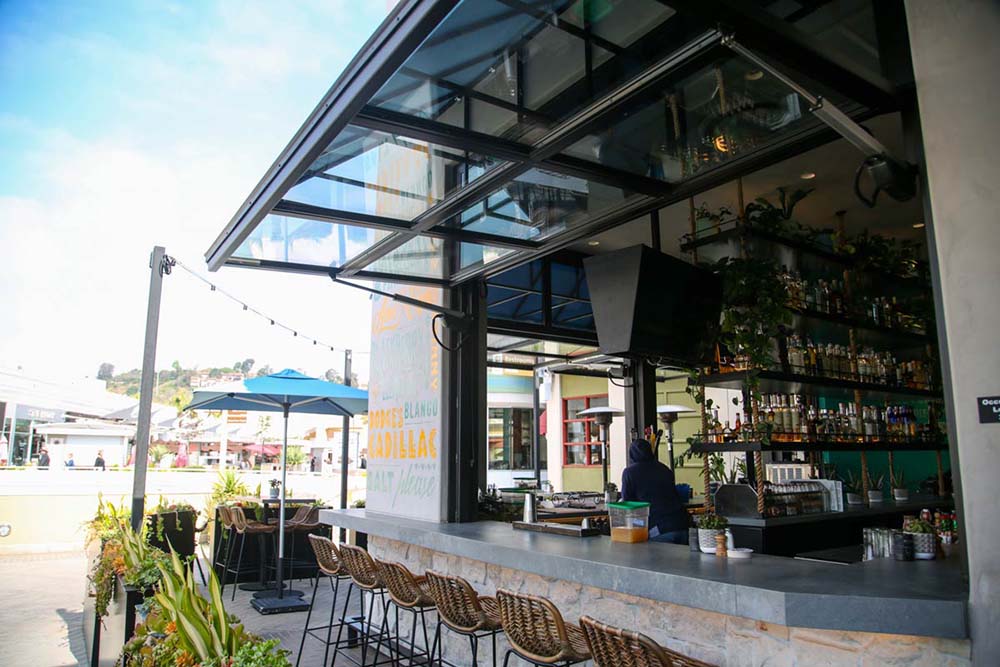
Natural light floods the space. Air circulates freely. The energy of the outdoors becomes part of the dining experience.
Rather than simply opening a door, Crown Doors completely reshape the environment, creating a vibrant, open-air atmosphere that feels immersive, social, and unforgettable.
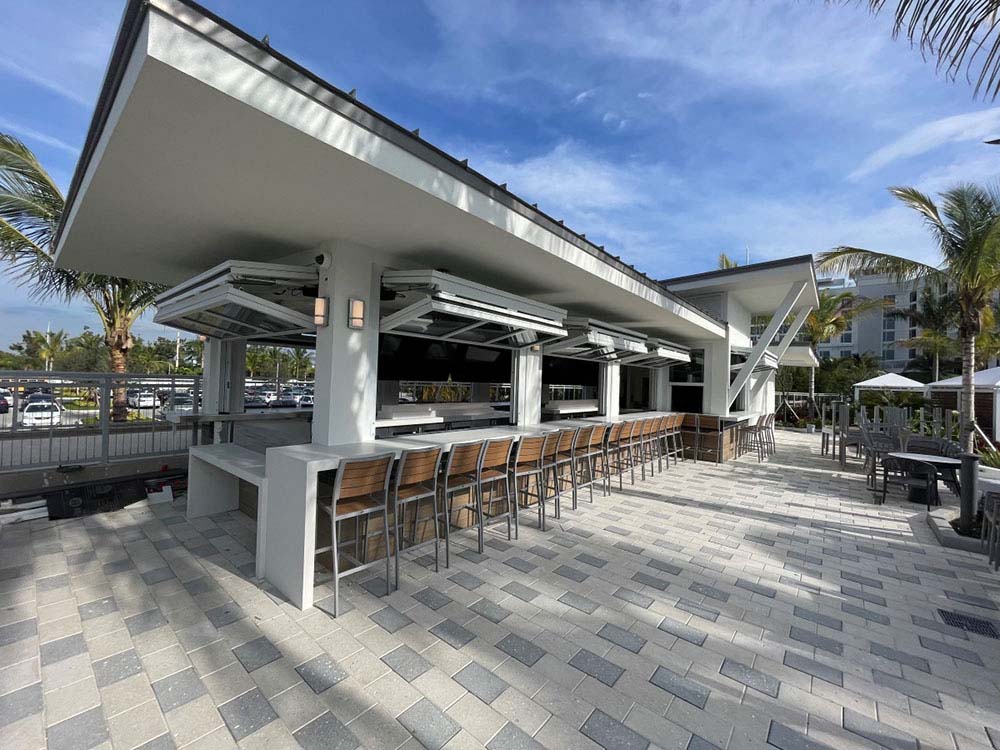
Across hotels, restaurants, rooftop lounges, residential communities, and hospitality-inspired gathering spaces, each solution works together to create a cohesive and elevated guest experience. Spaces adapt throughout the day, offering privacy without isolation, openness without compromise, and safety integrated discreetly into the overall design. More than simply dividing or opening a room, these systems shape how guests interact with the environment, creating spaces that feel intuitive, welcoming, and memorable long after the experience ends. Exceptional hospitality is no longer defined by static architecture, but by environments designed to move, respond, and evolve alongside the people using them.
To see how these environments come to life in different settings, explore our case studies and discover how adaptable design transforms the guest experience across a wide range of projects. From luxury hotels to dynamic social spaces, see firsthand how thoughtful, flexible solutions can elevate the way people gather, connect, and experience a space.

